
Introduction
If you need foam packaging for your products, understanding foam manufacturing can help you choose the right material and get the performance that you need.
Whether you’re protecting delicate components in transit, fitting an insert inside a case, or developing a specialist foam product, both the material and how it’s processed matter.
The process depends on the foam type: polyethylene (PE) foam, for example, is typically made by heating and expanding plastic resin, while other foams use different manufacturing methods. Once the foam material is ready, it can be cut, shaped, bonded and finished to create products for specific applications.
Foam conversion is another key stage to consider if you’re sourcing protective foam packaging or specialist foam components. Foam conversion turns sheets or blocks of foam into bespoke packaging and components.
In this guide, we’ll explain how foam is manufactured, explore the main foam conversion processes, and cover what to consider when choosing foam for your business.
Contents
What is foam made from?
Foam is a material made of tiny cells filled with gas; these cells give it its characteristic lightweight structure and help determine how it behaves under pressure.
The ingredients used to make up foam depend on the type being produced; for example, polyethylene foam starts with polyethylene resin, while other materials, such as polyurethane and expanded polystyrene, use different base materials and foam manufacturing methods.
For polyethylene foam, the main ingredients typically include:
- Polyethylene resin: Usually supplied as small plastic pellets, this forms the material’s base.
- A blowing agent: This creates gas bubbles that expand the plastic into a cellular structure.
- Additional additives: Depending on the foam grade, these may include colourants, stabilisers or other ingredients that influence its properties.
- Cross-linking agents, where required: Certain polyethylene foams use these to create additional bonds between polymer molecules, changing the structure and performance of the finished material.
The exact formulation depends on the foam being produced; getting this combination right is important, as the finished material must perform consistently in its intended application.
How is polyethylene foam manufactured?
Polyethylene foam is typically manufactured by using a process called extrusion. A process that heats polyethylene resin, mixes it with the necessary ingredients, and expands it to create a cellular structure.
Although equipment and processing conditions vary between manufacturers and foam grades, the basic process follows five stages.
Raw material preparation
The process starts with the polyethylene resin, usually in pellet form. Manufacturers choose the resin based on the properties required in the finished foam, and different formulations produce different characteristics.
Manufacturers add other ingredients as needed; for example, a blowing agent is especially important because it creates the gas bubbles that give the material its structure. Depending on the specification, the formulation might also include colourants, stabilisers or cross-linking agents.
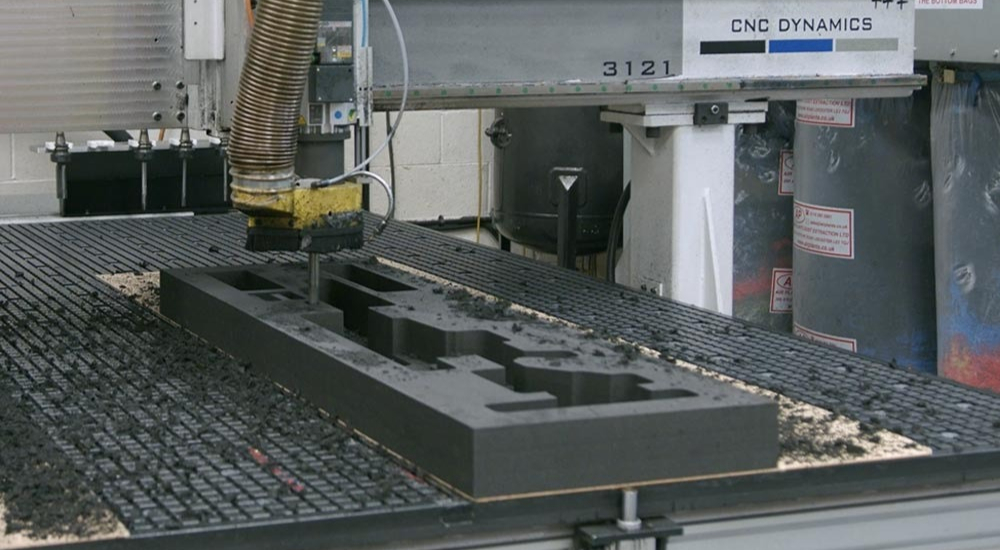
Polyethylene is heated and mixed
The prepared ingredients are fed into an extruder, a machine that heats and processes the plastic.
Inside the extruder, a rotating screw moves the material through a heated barrel, melting the resin and mixing it with the other ingredients.
The aim is to create a consistent mixture that can be processed under controlled conditions. Temperature, pressure, and how the ingredients are mixed all affect the foam’s structure.
At this stage, the polyethylene is a processed plastic mixture that needs to expand before it can develop the cellular structure associated with foam.
The blowing agent creates the foam structure
The blowing agent is then introduced and, under the right conditions, produces or releases gas within the molten plastic, creating the bubbles needed to form the foam.
The material is then forced through an opening called a die, and as it leaves the pressurised processing environment, the pressure change allows the gas to expand, causing the plastic to form a cellular structure.
From this, the material contains many small cells rather than being a solid piece of plastic. The size and distribution of these cells contribute to the foam’s final properties.
This process must be carefully controlled to achieve the right structure. Differences in formulation and processing conditions can produce foam materials with different characteristics.
The foam is then cooled and solidified
Once the material expands, it needs to cool so that its structure can stabilise. Cooling allows the processed plastic to solidify and retain its shape.
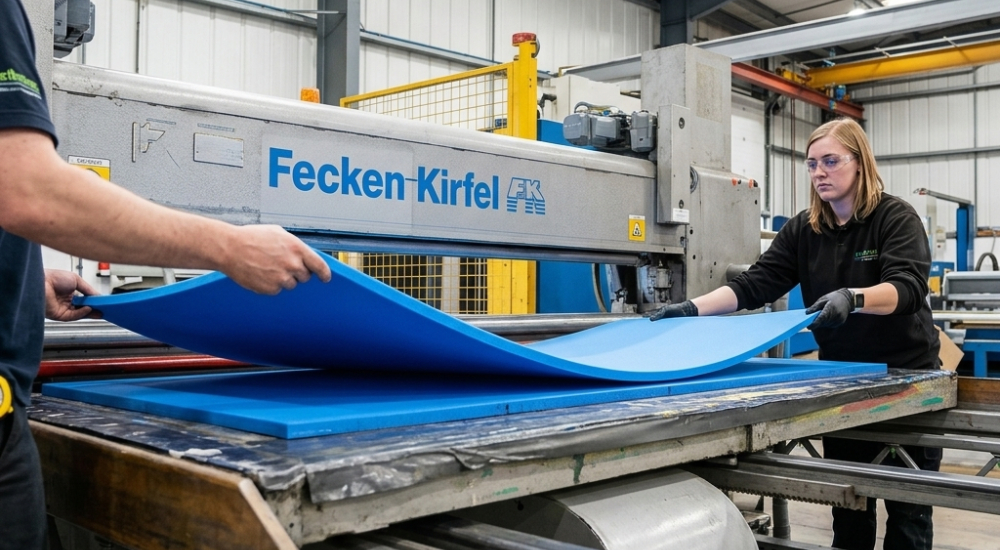
Depending on the foam manufacturing method, the foam might emerge as a continuous sheet, a roll or another profile. The die shape and equipment used determine the form in which the material is produced.
The result is a foam material that can be supplied for further processing; however, its final properties depend on more than cooling alone. The raw materials, expansion process and any additional treatments influence how the foam performs.
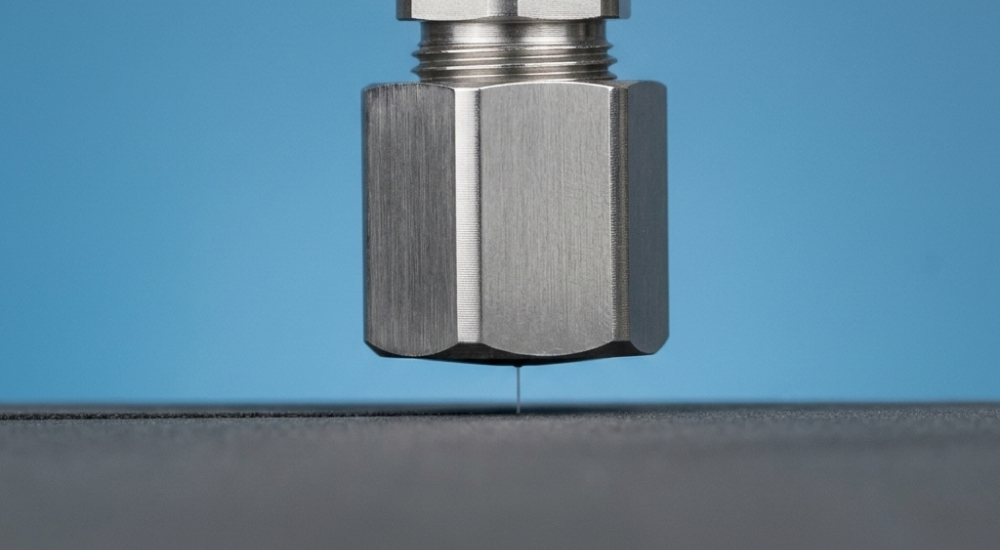
The foam is finished and ready for use
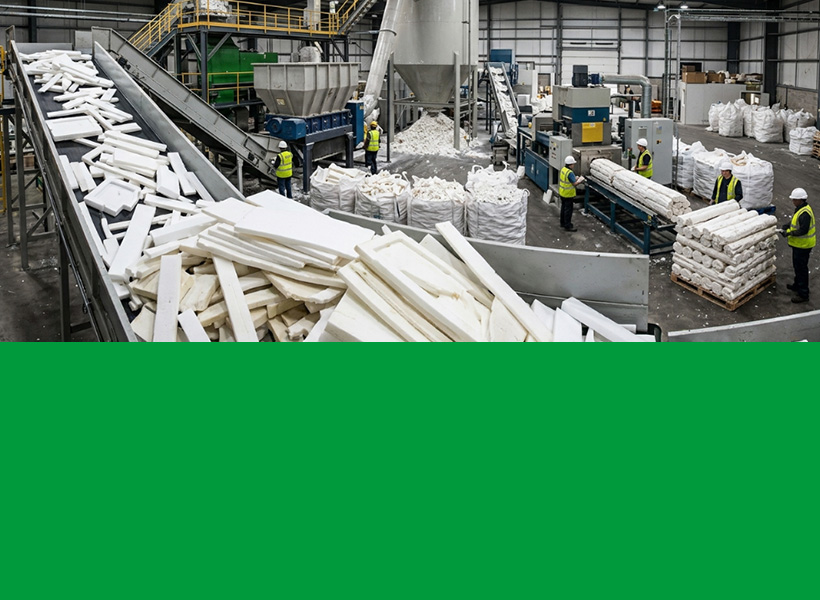
After production, the foam can then be cut to length, supplied in rolls or sheets, or prepared for additional processing. Some grades also undergo further treatment to achieve particular material properties.
For example, certain polyethylene foams are cross-linked during or after the main manufacturing process. This changes the bonds between the polymer molecules and can affect properties such as resilience, heat resistance and cell structure.
The foam manufacturing process therefore depends on the specific foam type being produced.
Understanding which material you are buying is important when its performance needs to meet particular requirements.
What's the difference between EPE, XPE and IXPE foam?
If you’ve looked into polyethylene foam, you might have come across terms like EPE, XPE and IXPE.
They refer to the different types of polyethylene foam, and the distinctions matter when you’re choosing a material for a particular application.
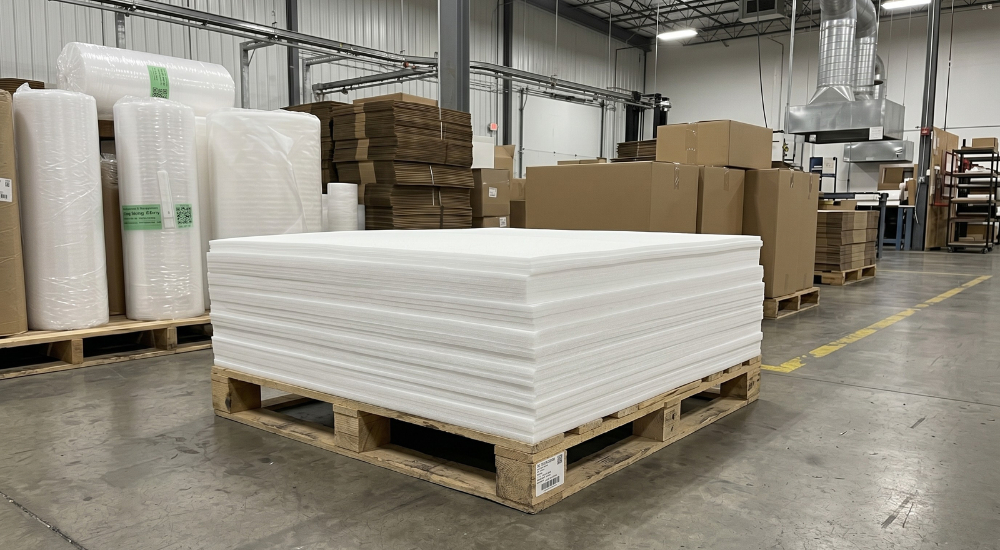
- EPE: Expanded polyethylene is commonly used for cost-effective protective packaging, is generally non-cross-linked, and is often supplied in sheets or planks.
- XPE: Chemically cross-linked polyethylene foam has improved resilience and heat resistance.
- IXPE: Irradiated cross-linked polyethylene foam has a finer, more uniform cell structure and a smoother surface.
These materials are not interchangeable, and their performance, cost, and suitability depend on the grade and the application’s demands. If you’re choosing foam for protective packaging, it’s worth discussing the product’s requirements with a specialist rather than selecting a material based on its name alone.
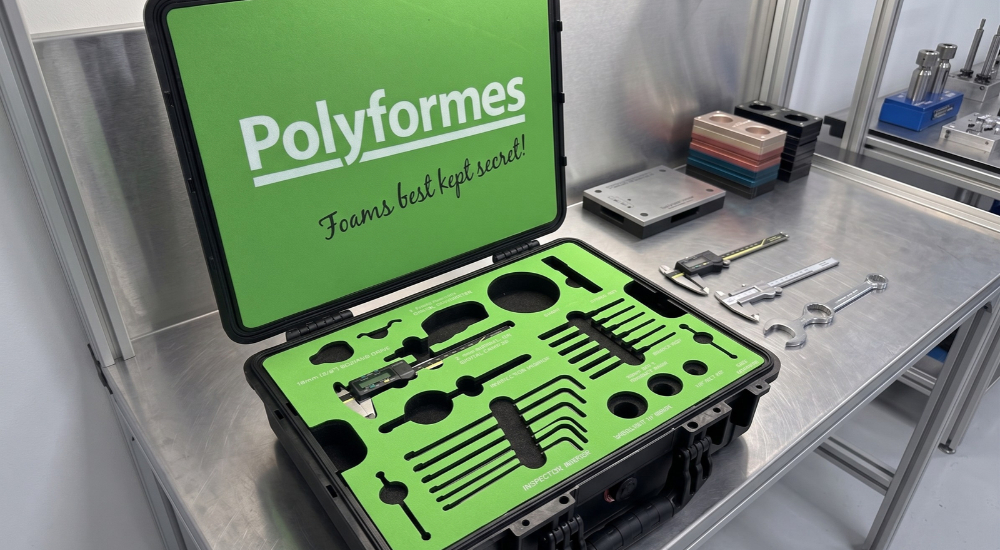
How is foam turned into packaging and finished products?
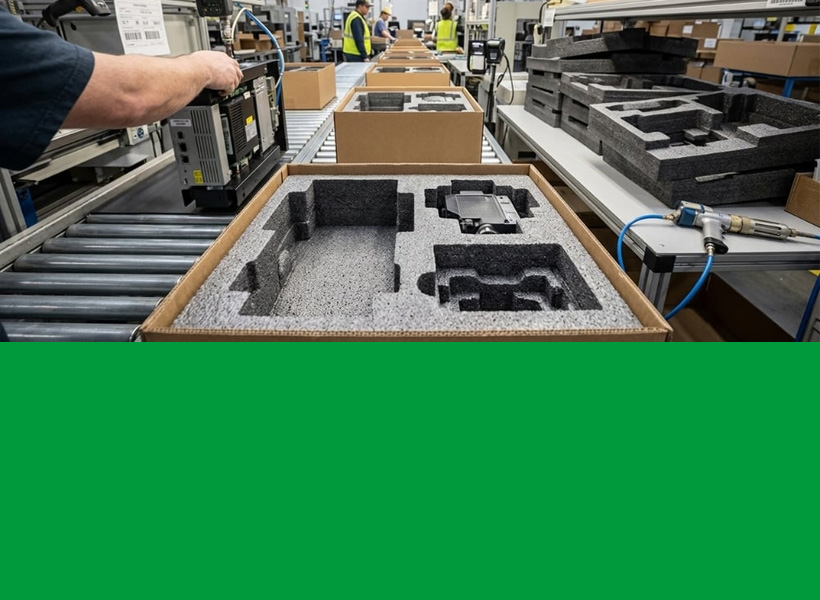
Once the foam is manufactured, it may need further processing before it’s ready for use. This process is known as foam conversion, a separate stage from producing the raw foam and involves turning sheets and blocks into finished components.
For protective packaging, this can mean cutting foam to fit inside a case, creating recesses for individual components, or shaping a piece to match the contours of a product.
Different conversion methods can be used, from CNC routing, waterjet cutting, die cutting and specialist profile cutting.
The design and conversion process matters because the foam must work as part of the finished product. Considering the material and design together helps ensure the finished component meets the practical requirements of its application.
Summary
Foam is manufactured by processing raw materials to create a structure containing small, gas-filled cells. The exact method depends on the foam type.
Ingredients, density, cell structure, and any additional treatments influence the finished foam’s properties. This is why different grades can vary in firmness, resilience and suitability for particular applications.
Understanding these differences helps you choose foam more confidently for packaging or specialist products.
Once the raw material is ready, foam conversion is the process that turns it into a finished component through cutting, shaping and other processes. Choosing the right material and the right conversion method together helps ensure the final product meets your requirements.
If you need foam packaging or custom foam components for your business, Polyformes can help you explore suitable materials and conversion options. Contact our team of foam experts today to discuss your project.