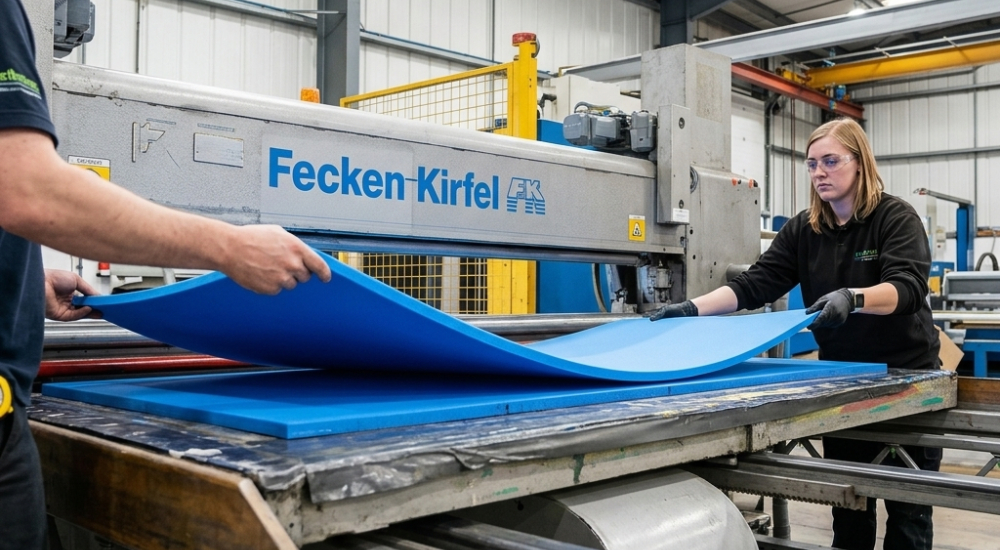
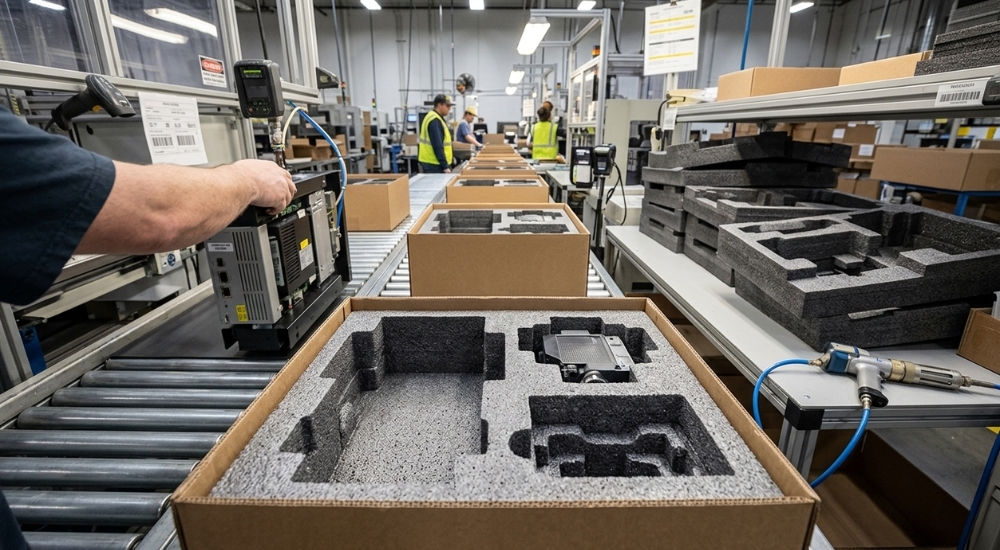
If you're choosing foam for packaging, product protection or a specialist application, understanding how it's manufactured can help you make a more informed decision.
Do you ever struggle to understand your packaging designer, or find yourself bogged down by all the technical terms that surround foam packaging? Well, you're not alone!
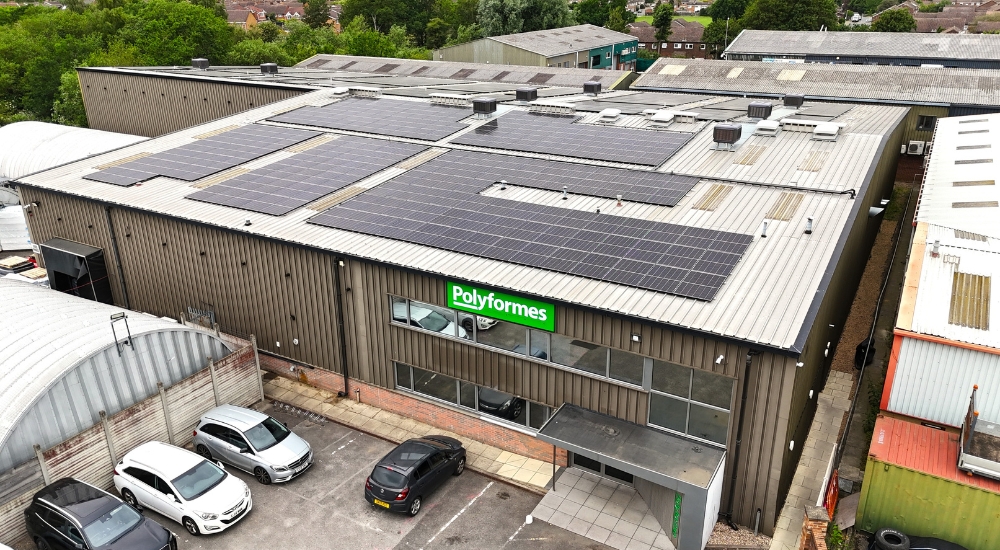
At Polyformes, we have taken another step towards reducing the environmental impact of our operations with a £150,000 investment in a new solar photovoltaic (PV) system at our Leighton Buzzard manufacturing facility.
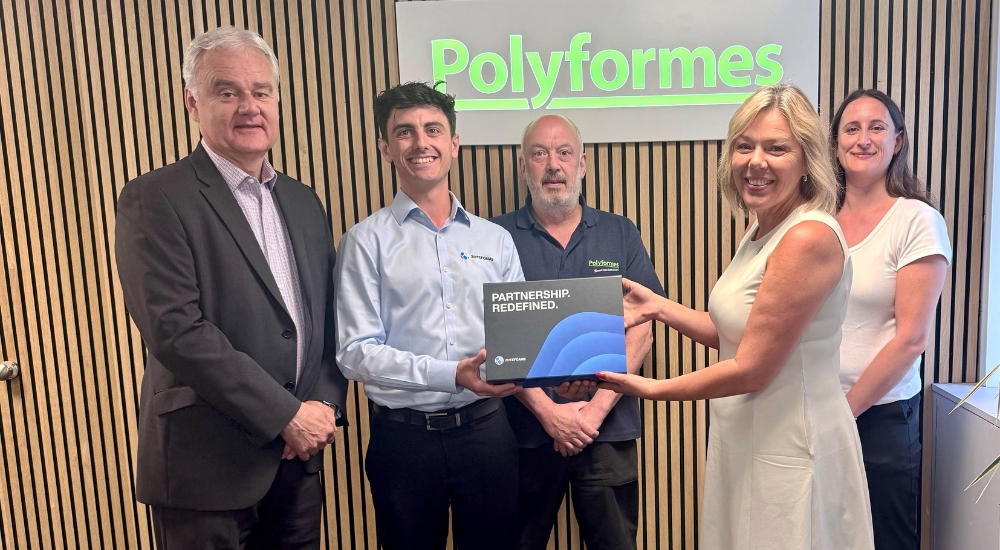
Polyformes is proud to announce that we have become the first UK business to be appointed as an 'Approved Fabricator' under the Zotefoams Global Approved Partner Programme.
When considering how best to protect your products during the storage, handling, and transportation stages of their lifecycle, choosing the right foam for the job can be challenging, given the wide range of options available to you.
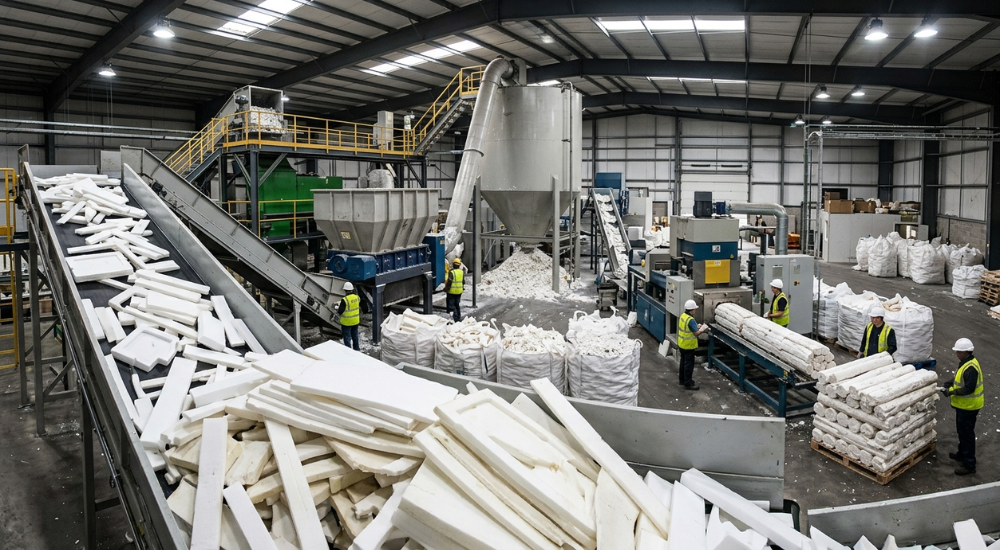
When you hear the term "sustainable foam", it might sound like a bit of a contradiction. After all, foam packaging is often associated with plastics, waste, and landfill, but the reality is far more nuanced.
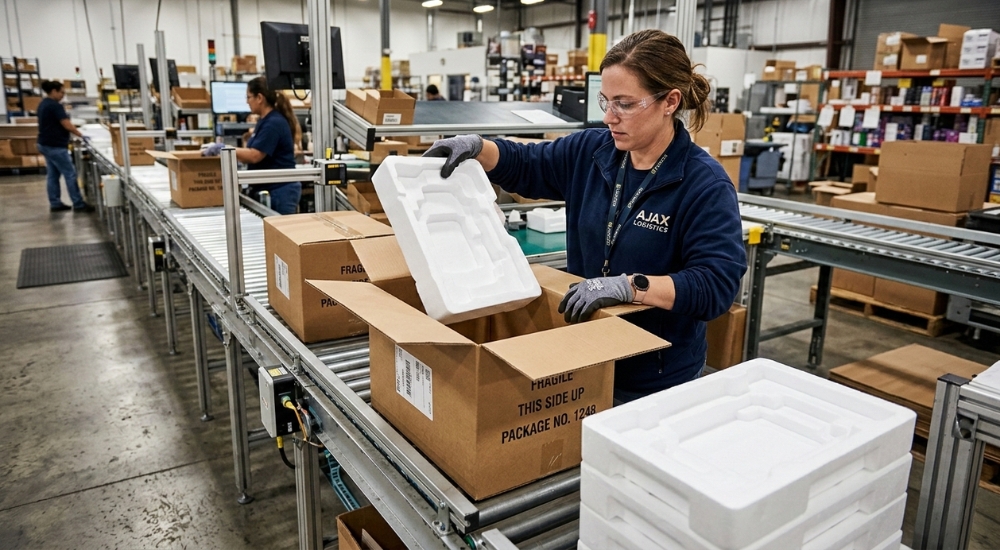
If your business ships valuable or fragile products, foam packaging is likely already part of your operation. But many businesses are unaware of whether the foam packaging they use can be recycled.
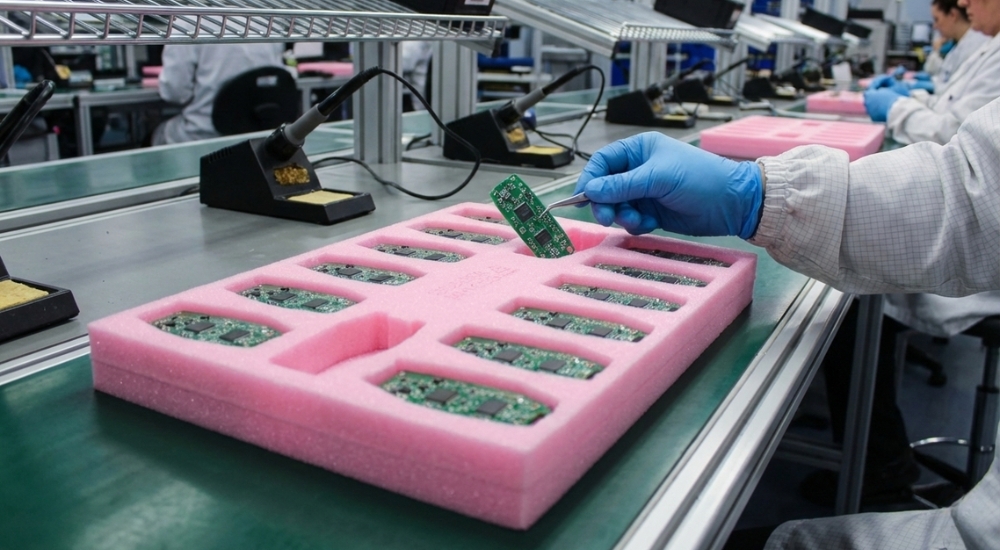
ESD foam is one of the most effective ways to protect your sensitive electronic products from electrostatic discharge during handling, storage, and transit. But what is electrostatic discharge?
When you're working on a construction site, an infrastructure project, a utility installation, or a temporary lifting operation, the ground beneath the machinery plays a big role in maintaining safe working conditions.